
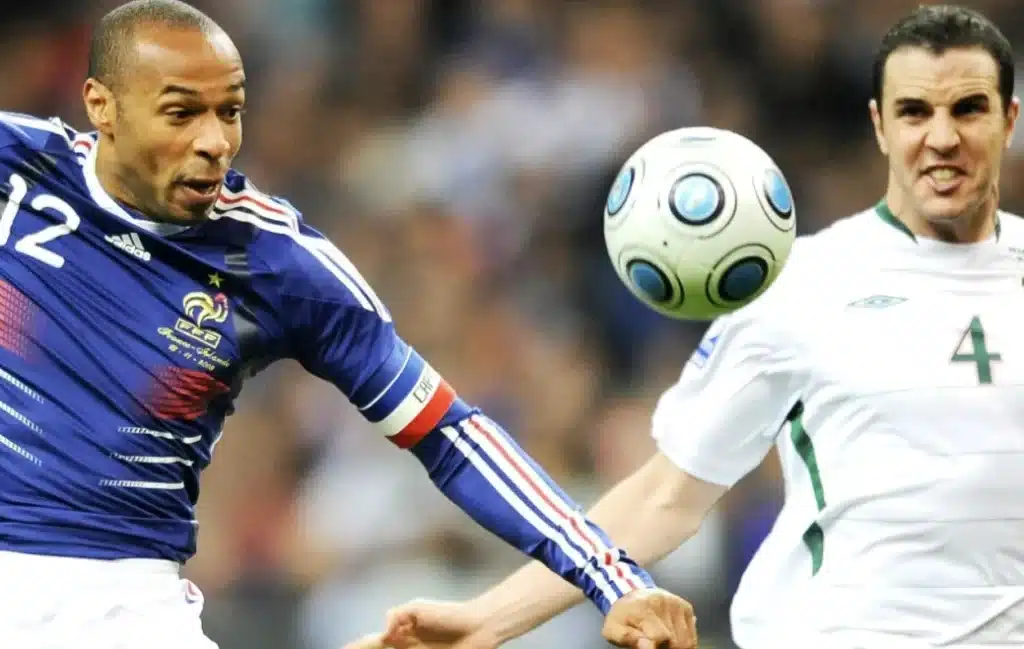
It has been over seven years since one of the most controversial moments in football history, a moment that still sparks heated debate among fans and players alike. The infamous handball by Thierry Henry during the 2010 World Cup playoff between France and Ireland remains a scar on the beautiful game. Recently, former Ireland captain Robbie Keane, who was on the pitch that fateful night, opened up about the incident, offering a fresh perspective that combines lingering frustration with a sense of moving forward. This article, brought to you by the expert analysis on Babu88, delves deep into Keane’s reflections, the context of the game, and the enduring legacy of a moment that changed the rules of football.
The Night That Shook the Football World
The scene was set at the Stade de France on November 18, 2009. Ireland, led by Giovanni Trapattoni, were holding their own against a talented French side. After a 1-0 win for France in the first leg in Dublin, Ireland had equalized on aggregate through a Robbie Keane goal. The match was heading into extra time, and the dream of qualifying for the 2010 FIFA World Cup in South Africa was tangible for the Irish.
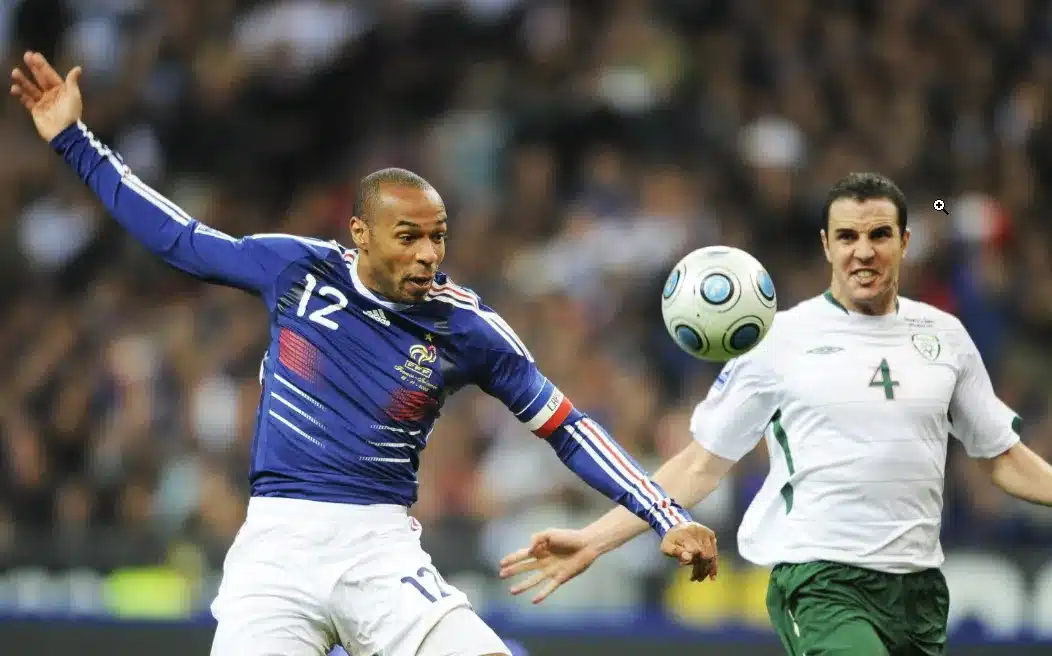
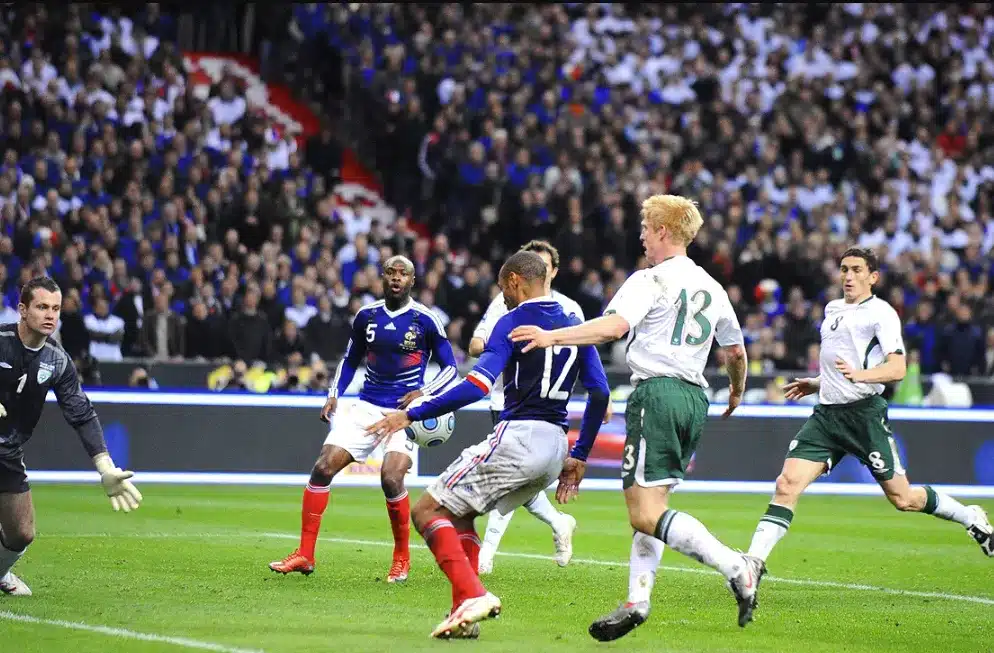
Then came the moment that would define the tie. A long free-kick from France’s Florent Malouda found Thierry Henry at the far post. As the ball bounced, Henry, with his back to goal, clearly controlled it with his hand, twice, before crossing for William Gallas to head into an empty net. The referee, Martin Hansson, missed the handball, and the goal stood. France qualified, and Ireland were left heartbroken.
Robbie Keane’s Untold Story
In a recent interview, Robbie Keane, Ireland’s all-time leading scorer, shared his raw emotions from that night. “When you’re in the moment, you don’t see the handball immediately. You’re just trying to get the ball and score,” Keane recalled. “But then you see the replays, and your heart just sinks. It was a total injustice.”
Keane, known for his sharp finishing and never-say-die attitude, admitted that the incident took a long time to get over. “For years, I couldn’t watch the replay. It was too painful. It wasn’t just about losing; it was the way it happened. The feeling of being cheated on the biggest stage is something that sticks with you.”
However, as time has passed, Keane has found a way to reconcile with the past. “Now, I look at it differently. It’s part of football history, unfortunately. It taught us about resilience. That night also forced FIFA to look at goal-line technology and video assistant referees (VAR). In a strange way, that handball helped modernize the game.”
The Tactical Breakdown and Unfair Advantage
From a tactical perspective, the handball was a classic case of a veteran player using cunning in a high-pressure situation. Thierry Henry, a world-class striker with incredible ball control, improvised in a way that was completely against the laws of the game. Football analyst John Bradley, speaking on The Football History Podcast, explained, “Henry’s instinct was to keep the ball alive. In that split second, he didn’t think about the hand; he thought about survival. It was a desperate act from a player who knew time was running out.”
For Ireland, the defensive setup was sound. They had frustrated France for 120 minutes. The cross from Malouda was routine, but the deflection off Henry’s hand created an unpredictable trajectory that no defender could deal with. It was a cruel twist of fate for a team that had performed heroically away from home.
The Aftermath and Football’s Evolution
The fallout from the match was immediate and global. The French media were divided, with many admitting their country had qualified unfairly. The Irish government even called for a replay, a request that was swiftly rejected by FIFA. This bitter pill led to significant changes in the sport.
The Role of VAR and Goal-Line Technology
One of the most significant legacies of this game is the acceleration of video technology. The “Hand of Henry,” following the infamous “Hand of God” by Diego Maradona in 1986, became a catalyst for change.
- Goal-line technologywas introduced following other high-profile errors, but handball incidents like this pushed VAR into the spotlight.
- Today, a play like Henry’s would be reviewed and disallowed within seconds.
- The modern game is fairer because of the lessons learned from that night in Paris.
A Personal Journey: Keane’s Verdict
Robbie Keane’s ability to reflect without bitterness showcases the character of a true sportsman. “I’ve spoken to Thierry [Henry] since. He’s a good man. He felt terrible about it. He admitted it was a handball. At the end of the day, he’s a human being who made a mistake in a high-pressure moment,” Keane stated.
He continued, “Do I wish it didn’t happen? Of course. But it made me and my teammates stronger. It made Ireland more determined. It also gave us one of the most iconic, albeit tragic, moments in our football history.” For fans looking for deeper insights into these pivotal sports moments, platforms like Babu88 offer comprehensive analysis that goes beyond the scoreline.
What Could Have Been?
Football historians often speculate on what would have happened if Ireland had qualified for the 2010 World Cup.
- Group Stage:Ireland would have faced France again (different group), along with Mexico and Uruguay. It was a tough group, but Ireland had already shown they could compete with the best.
- Player Impact:A World Cup appearance would have cemented the legacy of players like Keane, Richard Dunne, and Damien Duff on a global scale.
- National Pride:For a country that had not been to a World Cup since 2002, the absence in 2010 was a massive blow to national morale.
Conclusion: A Tale of Injustice and Growth
The story of Thierry Henry’s handball is not just about a rule broken; it is a story about the human spirit, injustice, and the relentless march of progress in football. Robbie Keane’s Reflections on the Game That Shook Ireland reminds us that even in defeat, there is a story worth telling. The incident remains a bitter memory, but it also serves as a powerful reminder of why fairness and technology matter in sports.
As we look back at this infamous moment, we invite you to share your own memories and thoughts. Was this the most controversial moment in World Cup qualifying history? How did it affect your view of the game? Join the conversation below, share this article with fellow football fans, and explore more in-depth sports coverage on our platform. Feel free to leave your comments and let us know if you think football has changed enough since that night in 2009.
