
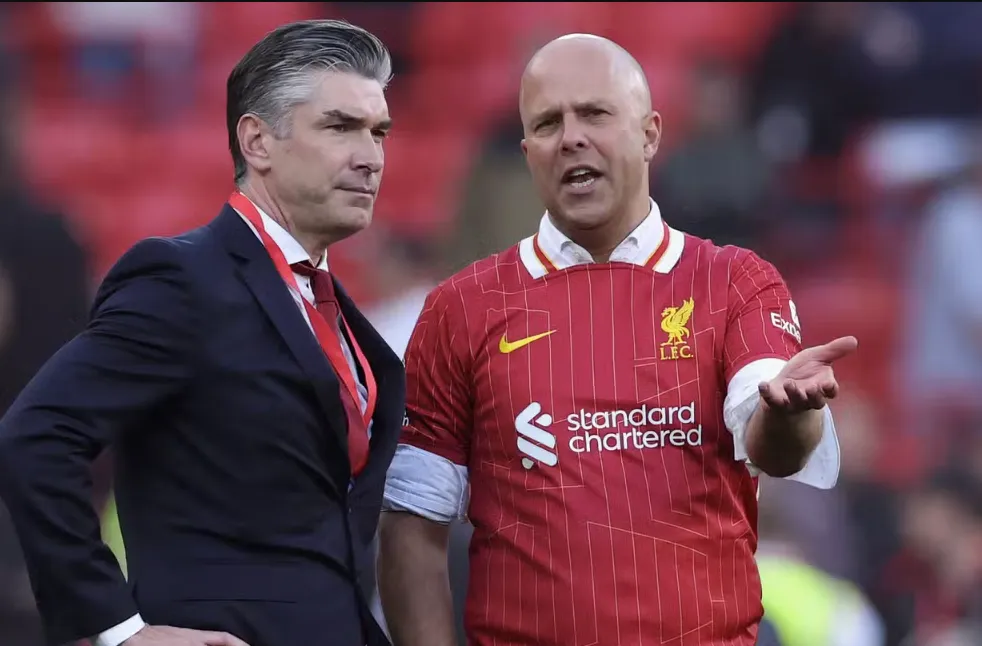
It has been a fascinating period for Liverpool Football Club. The winds of change have swept through Anfield, bringing a new head coach in Arne Slot and a reshuffled backroom team led by sporting director Richard Hughes. As the transfer windows have opened and closed, many supporters have been left with a mixture of excitement and skepticism. While the Reds have secured some key pieces, the aggressive spending seen at rivals like Chelsea, Manchester United, and Arsenal hasn’t been mirrored on Merseyside. This has naturally sparked debate. However, in a recent detailed briefing, Hughes has firmly stepped forward to defend the club’s measured, and some might say calculated, approach to the market under their new Dutch manager.
The Philosophy of “Value Over Hype”
At the heart of Liverpool’s current transfer policy lies a core principle: getting the right player for the right price. Richard Hughes has been clear that the club will not be drawn into the bidding wars that often inflate player values during the summer months. This isn’t just about being frugal; according to Babu88 sources analysing the club’s financial trends, it’s a strategic long-term play.
The Case for Calculated Spending
Why would a club of Liverpool’s stature, with the global appeal and revenue streams they command, choose to be so cautious? Hughes argues that the era of spending £100 million on a single player just for the sake of a “statement signing” is a dangerous game. He emphasizes that every transfer must fit a specific tactical profile for Arne Slot’s system.
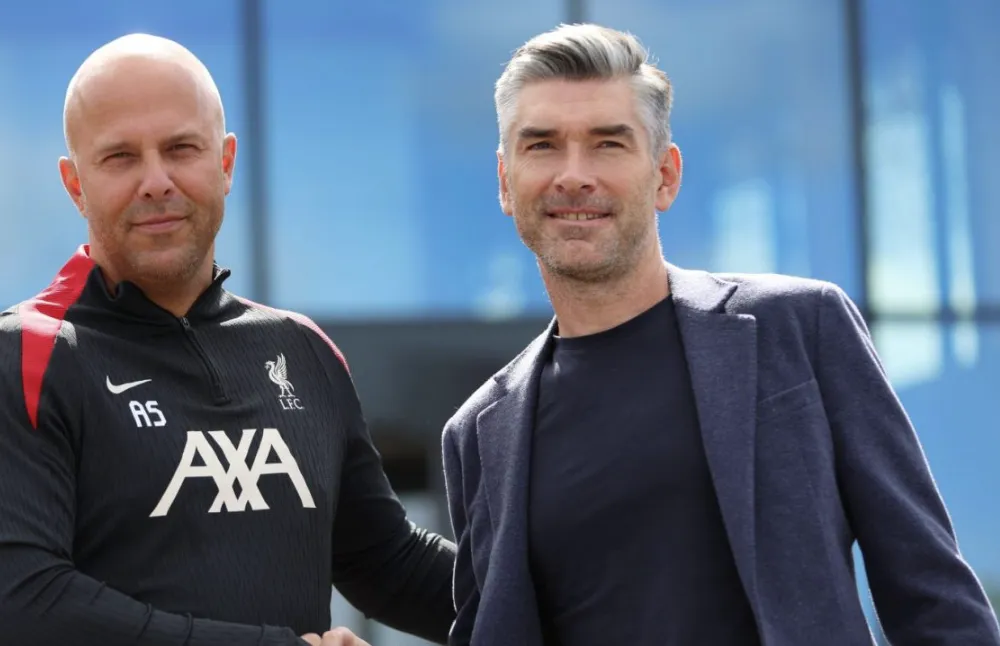
- Tactical Fit Over Celebrity Status: The days of buying a superstar name without a clear role are over. Slot’s system requires specific attributes: high pressing ability, positional intelligence, and a certain technical floor. A marquee signing that doesn’t fit these demands is considered a failure, regardless of the price tag.
- Sustainability: Liverpool’s model has always been about self-sustainability. The revenue from player sales, such as the departure of Fabinho and Jordan Henderson to Saudi Arabia, directly funds the next wave of talent. Hughes wants to ensure that for every pound spent, there is a clear path to either first-team success or long-term asset value.
- Market Timing: The club is willing to be patient. If a target is overpriced in June, they are prepared to wait until the final days of the window or even the following January to strike a better deal. This patience is seen as a virtue, not a weakness.
Arne Slot’s Influence on Recruitment
The transition from Jurgen Klopp to Arne Slot was never just about changing the man in the dugout; it fundamentally altered the club’s recruitment DNA. While Klopp was a master of emotional management and heavy-metal football, Slot brings a more systematic and controlled approach. This shift is directly reflected in the transfer targets.
A New Set of Requirements
Hughes has highlighted that Slot is incredibly specific about what he wants. The head coach is not simply interested in a “good player.” He wants a player who can solve a specific problem on the pitch.
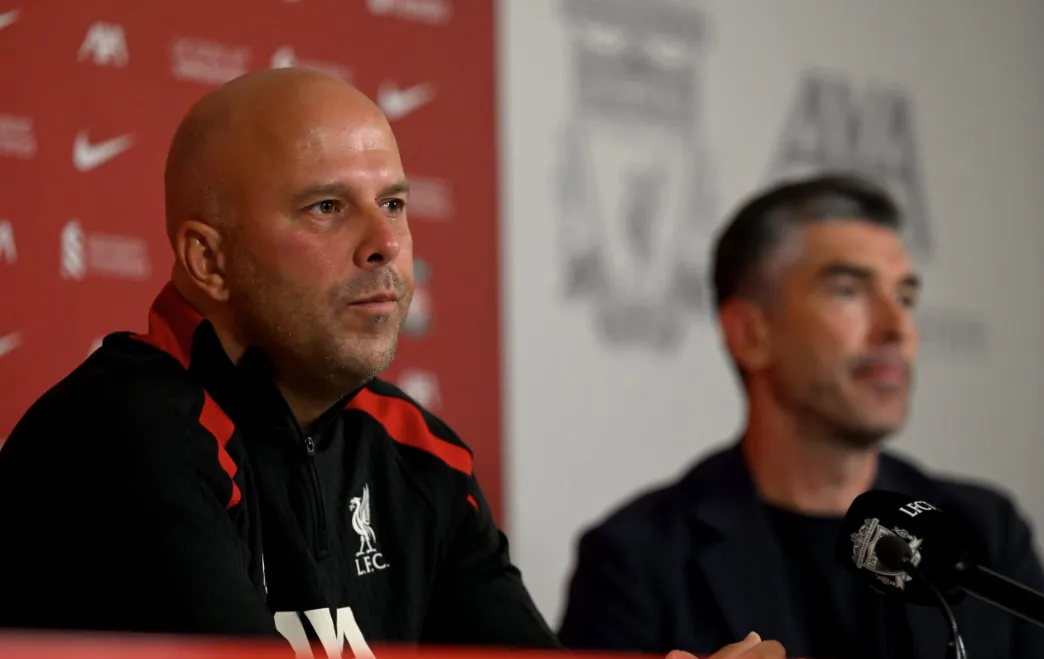
- Full-Back Dynamics: Under Klopp, the full-backs (Alexander-Arnold and Robertson) were the primary creators. Under Slot, the full-backs are often more reserved, requiring the wingers to be the primary source of width and creativity. This has changed the profile of the wide players being scouted.
- Midfield Structure: Slot prefers a midfield that is deceptively simple: one holder, two box-to-box runners. The purchases of players like Ryan Gravenberch, who can rotate possession and drive forward, fit this mold better than a pure destroyer.
- Winger Versatility: The modern winger at Liverpool must be able to play across the front line, cut inside on their stronger foot, and also provide width. This versatility allows Slot to change formations mid-game without substitutions.
Hughes has personally noted that many of the “high-profile” players linked with the club simply did not fit this profile, making their pursuit a waste of time and resources.
Defending the “Quiet” Windows
Perhaps the most significant criticism of the Hughes-Slot regime has been the perceived lack of activity in some transfer windows. While rivals were unveiling new signings every week, Liverpool seemed to be operating in the shadows. Hughes defends this silence, calling it a “calculated efficiency.”
The Case Study of the Midfield Overhaul
The previous summer saw a massive midfield rebuild, with names like Alexis Mac Allister, Dominik Szoboszlai, and Wataru Endo brought in. This was a clear reaction to the previous season’s struggles.
Now, with the squad in a better place, the additions become more specific.
- Why No Big Signing?: Hughes suggests that for a player to make the first XI at Liverpool right now, they have to be better than what they already have. The window for a “squad player” is closing as the team becomes younger and more competitive. Rather than signing a player who would sit on the bench and block a young academy prospect, the club prefers to wait for a game-changer.
- Internal Development: A huge part of Liverpool’s defense of their strategy is the development of players already at the club. Babu88 experts have noted that Slot has unlocked new levels from players like Cody Gakpo and Darwin Nunez through tactical tweaks. The club views this internal improvement as a “new signing” without the fee.
The Future of the Reds: A Look Ahead
As fans look to the future, the message from the Anfield hierarchy is clear: trust the process. The days of panic buying are over. The club is not interested in breaking the bank for a player who might just be a flash in the pan.
What to Expect in the Next Windows
Given the current trajectory, what can we expect from Liverpool in the next transfer periods?
- Patience: The club will likely wait for the right moments. If a target is available at a fair price early, they will move. Otherwise, expect late activity in the window.
- Specificity: The targets will be very narrow. If Liverpool doesn’t buy a left-back, it’s because they didn’t find one who fits Slot’s defensive and offensive requirements.
- Sell to Buy: While there is always money available, the biggest signings will likely be funded by a significant outgoing. If a player like Luis Diaz or Diogo Jota moves on, that is when a big-money replacement will likely arrive.
Richard Hughes and Arne Slot have brought a calm, analytical brain to the heart of Liverpool’s transfer business. For fans hungry for constant big-name arrivals, it can be frustrating. However, this strategy is designed to build a dynasty, not just a single-season wonder. By focusing on value, tactical fit, and long-term sustainability, the club hopes to return to the pinnacle of European football without risking its financial health or the stability of its dressing room.
Do you think Liverpool’s cautious approach is the right one in today’s football market? Or should the Reds be more aggressive to keep up with their rivals? Share your thoughts below and let’s continue the discussion about the future of this great club!
