
The January transfer window has been a rollercoaster for Arsenal fans, with high hopes of signing a top-tier striker to bolster their Premier League title challenge. However, recent developments have left the Gunners’ faithful frustrated as key targets—Ollie Watkins, Benjamin Sesko, and Viktor Gyokeres—have all seen potential moves fall through. According to sources at Babu88, the club’s transfer strategy has hit significant roadblocks, forcing Mikel Arteta and the recruitment team back to the drawing board. This article dives deep into why these deals collapsed, the implications for Arsenal’s season, and what the future holds for the North London club.
The Striker Search That Went Cold
Arsenal‘s need for a prolific goalscorer has been evident since the start of the season. While Gabriel Jesus brings energy and link-up play, his finishing has been inconsistent, and injuries have plagued his campaign. Eddie Nketiah has shown flashes of brilliance but lacks the consistency required for a title-winning side. The club’s pursuit of a proven number nine was therefore no surprise, but the process has been fraught with complications.
Why Ollie Watkins Remains at Aston Villa
Ollie Watkins was widely regarded as Arsenal’s primary target. The Aston Villa striker has been in scintillating form, scoring 12 goals and providing 6 assists in the Premier League this season. His pace, movement, and ability to press from the front made him an ideal fit for Arteta’s system. However, Aston Villa’s valuation of £60 million-plus proved a sticking point. Arsenal were unwilling to meet that asking price, especially with Unai Emery’s side fighting for a Champions League spot and reluctant to sell a key asset mid-season.
Another factor was Watkins’ own reluctance to force a move. The 28-year-old has a strong relationship with Emery and enjoys playing at Villa Park, where he feels valued as the focal point of the attack. Arsenal’s interest was real, but without a formal bid that matched Villa’s demands, the deal simply never got off the ground.

Benjamin Sesko: The Future Star Who Stayed in Germany
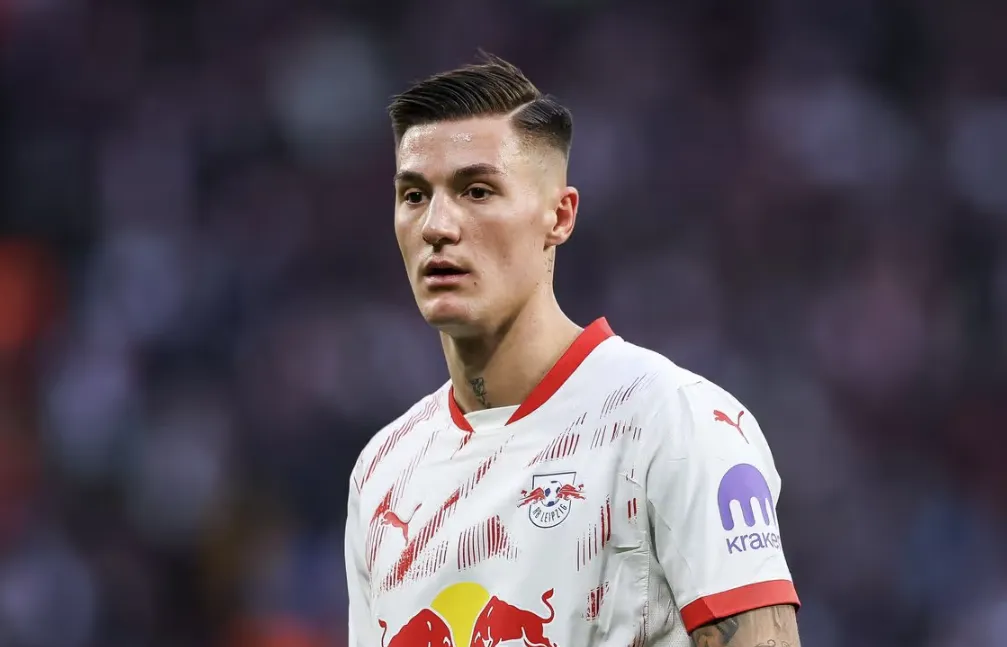
Benjamin Sesko was viewed as a long-term investment. The 20-year-old Slovenian striker has impressed at RB Leipzig with his raw power, aerial ability, and surprising speed for his 6’4″ frame. Many scouts believe he has the potential to become one of Europe’s elite forwards within two to three years. However, Leipzig were adamant that Sesko would not leave in January, having already lost key players like Dominik Szoboszlai and Josko Gvardiol in previous windows.
Arsenal made inquiries but never came close to triggering Sesko’s release clause, which is reportedly active in the summer. The player himself expressed a desire to finish the season in the Bundesliga, citing the need for consistent game time ahead of Euro 2024. For Arteta, signing a raw talent mid-season who might take months to adjust to the Premier League simply wasn’t a gamble worth taking.

Viktor Gyokeres: The Swedish Sensation That Got Away
Perhaps the most surprising collapse is Viktor Gyokeres. The Swedish international has been a revelation at Sporting CP, scoring 22 goals in 25 Primeira Liga appearances this season. His powerful running, clinical finishing, and tireless work rate have drawn comparisons to a prime Zlatan Ibrahimovic. Arsenal were reportedly prepared to activate his €100 million release clause, only for the deal to fall apart at the last minute.
According to sources, the issue was not financial but contractual. Gyokeres’ representatives demanded a massive signing-on fee and a release clause that would allow him to leave Arsenal if they failed to qualify for the Champions League. The Gunners’ hierarchy balked at these terms, fearing it would create instability within the squad. Sporting CP also played hardball, knowing they had the striker under contract until 2028. Ultimately, both parties walked away from the table.
The Fallout: What This Means for Arsenal’s Season
The failure to sign a striker leaves Arsenal with a significant problem. With Manchester City and Liverpool strengthening their squads, Arteta’s side now face an uphill battle to maintain their league position. The Gunners are currently second in the table, but their lack of firepower has been exposed in crucial matches.
The Goal-Scoring Burden Falls on an Unsustainable Source
Bukayo Saka and Martin Odegaard have carried the creative burden, but they need a consistent finisher to convert their chances. Gabriel Jesus has only scored 5 league goals this season, while Kai Havertz, deployed as a false nine at times, has struggled to find the back of the net consistently. Leandro Trossard has been used as an emergency striker but is better suited to a wide role. The lack of a natural goal scorer could prove fatal in tight games against deep-lying defenses.
Tactical Adjustments Arteta Might Make
With no new striker arriving, Arteta may need to rethink his tactical approach. One possibility is a return to a 4-4-2 formation, with Martinelli and Saka playing as the two forwards. This would allow the team to press higher and create more direct chances. Another option is to give more minutes to young attackers like Ethan Nwaneri and Amario Cozier-Duberry, though relying on teenagers in a title race is risky.
There is also talk of Arsenal pivoting to a system that relies on set-pieces and crosses into the box. With the height of William Saliba, Gabriel Magalhães, and Kai Havertz in the squad, they could adopt a more direct approach, similar to what Burnley did under Sean Dyche. However, this would be a drastic departure from Arteta’s possession-based philosophy.
Summer Transfer Window: A Second Chance for the Gunners
While January was a disappointment, the summer window offers a fresh opportunity. Arsenal are expected to have a significant transfer budget, bolstered by player sales and Champions League revenue. The club will likely revisit their top targets, but with key lessons learned.
Revised Approach to Negotiations
The failed Gyokeres deal taught Arsenal a valuable lesson: they must be willing to act decisively and meet club valuations early in the window. The Gunners have been criticized for their timid approach, allowing other clubs to swoop in and sign their targets. Names like Victor Osimhen (Napoli), Evan Ferguson (Brighton), and Santiago Gimenez (Feyenoord) are all being monitored, but Arsenal must move quickly to avoid a repeat of this January’s failures.
Potential Departures Could Free Up Funds
Arsenal are also planning a squad clearout. Players like Thomas Partey (linked with Saudi Arabia), Jorginho (expiring contract), and Cedric Soares are expected to leave. Emile Smith Rowe, once seen as the future of the club, could also be sold if he continues to struggle for game time. These departures could raise an additional £50-60 million, giving Arteta the financial flexibility to sign two top-quality players: a striker and an additional midfielder.
Expert Analysis: What the Pundits Are Saying
We spoke with football analyst and former Premier League striker Michael Bridges to get his take on Arsenal’s situation.
“Arsenal have made a terrible mistake. They needed a striker in July, and they needed one in January. The season is slipping away from them because they lack a killer instinct in front of goal. I love Gabriel Jesus, but he’s not the 20-goal-a-season man you need to win the league. Watkins and Gyokeres were available, but Arsenal blinked first. That’s not what champions do.”
However, not all experts agree. Tactical analyst Sarah Whelan argues that Arsenal’s prudence could pay off in the long run.
“Look at what happened when Liverpool signed Darwin Nunez for €100 million—it took him two seasons to adapt. Arsenal are building something sustainable. They should not overpay for a player who might not fit their system. If that means waiting until summer to sign a guy like Sesko or Osimhen, so be it. This is a marathon, not a sprint.”
Fan Reactions: A Divided Fanbase
The Arsenal fanbase is split. On social media, some fans are furious with the club’s transfer strategy, calling for immediate action. Others urge patience, pointing to the successful development of academy graduates like Bukayo Saka and Emile Smith Rowe.
One user on Reddit summed up the frustration: “We had three targets and got zero. What’s the point of scouting if you never pull the trigger? This is Arsenal 3-4 years ago all over again—close but no cigar.”
Another user defended the club: “Overpaying for a striker in January is how you become Manchester United. They panic-bought Rasmus Hojlund for £72 million, and now he’s struggling. Trust the process, trust Arteta.”
The Verdict: Arsenal Fans Must Stay Positive
Despite the setbacks, there is reason for optimism. Arsenal are still well-positioned in the league, have a talented young squad, and are showing financial discipline that will serve them in the long term. The summer window will be critical, but the foundations are already in place.
If you’re an Arsenal fan, now is the time to rally behind the team. The transfer window may have been a disappointment, but the season is far from over. With 14 games left, anything is possible—especially if Jesus finds his form or Havertz steps up.
Key Takeaways for Readers
- Arsenal failed to sign Ollie Watkins, Benjamin Sesko, and Viktor Gyokeres due to high valuations, player reluctance, and contractual disputes.
- The club will now rely on their current squad until the summer, where they are expected to make significant signings.
- Babu88suggests that Arsenal’s disciplined approach could pay off in the long run, even if it means short-term pain.
- Fans should focus on supporting the team and trusting Arteta’s tactical adjustments for the remainder of the season.
Share Your Thoughts
What do you think of Arsenal’s failed transfer attempts? Should the club have paid more for Gyokeres? Do you think they can still win the league without a new striker? Let us know in the comments below—we’d love to hear your perspective!
For more exclusive analysis and the latest football news, explore more articles on Babu88, your trusted source for in-depth sports coverage.
