
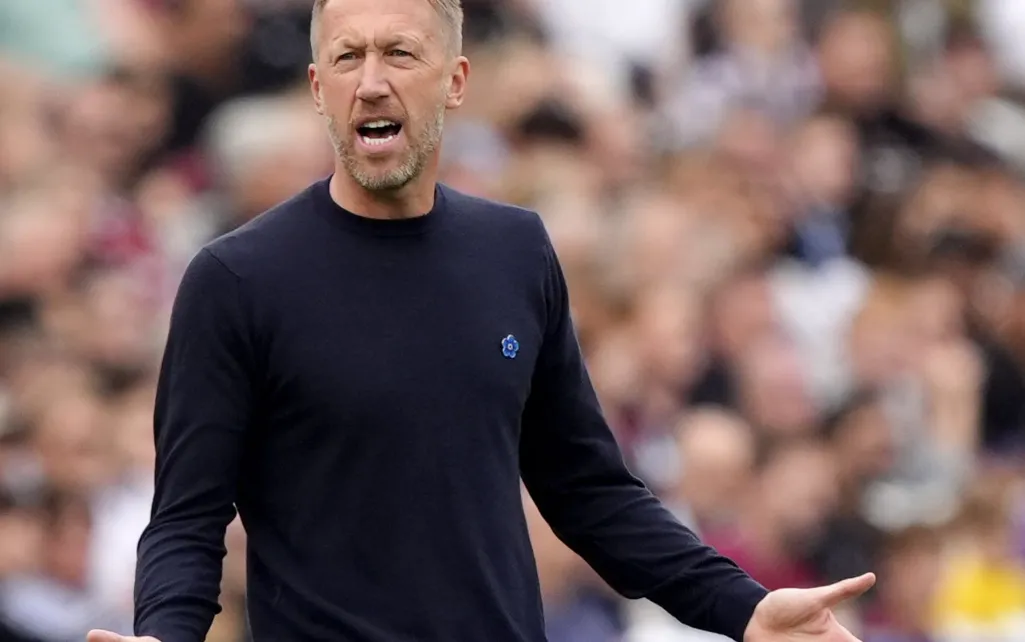
The world of football management is a relentless cycle of ambition, pressure, and often, heartbreak. Few understand this better than Graham Potter, the highly-regarded English coach whose tenure at West Ham United ended sooner than many anticipated. In a recent candid reflection, Potter expressed his profound disappointment at his sacking, a decision that has sparked debate among fans and pundits alike. This article, brought to you by Babu88, delves into Potter’s perspective, the challenges he faced in East London, and what this means for the club’s future direction under new leadership.
Who Was Graham Potter? The Visionary Manager
Before his brief spell at West Ham, Graham Potter was celebrated as one of the most innovative tactical minds in English football. His journey from managing Swedish side Östersund to Premier League prominence with Brighton & Hove Albion was nothing short of remarkable. At Brighton, he built a reputation for playing attractive, progressive football while developing young talent and competing well above the club’s budget constraints. His success earned him the top job at Chelsea, though that stint ended prematurely after just seven months in April 2023.
When West Ham came calling in late 2024, it felt like a match made in heaven. The Hammers wanted to evolve their playing style under new ownership, and Potter seemed the perfect architect for that transformation. However, as he now admits, the reality of managing a club with such passionate and demanding supporters proved more complex than anticipated.
The Disappointment: What Went Wrong at West Ham?
A Sudden and Unexpected Departure
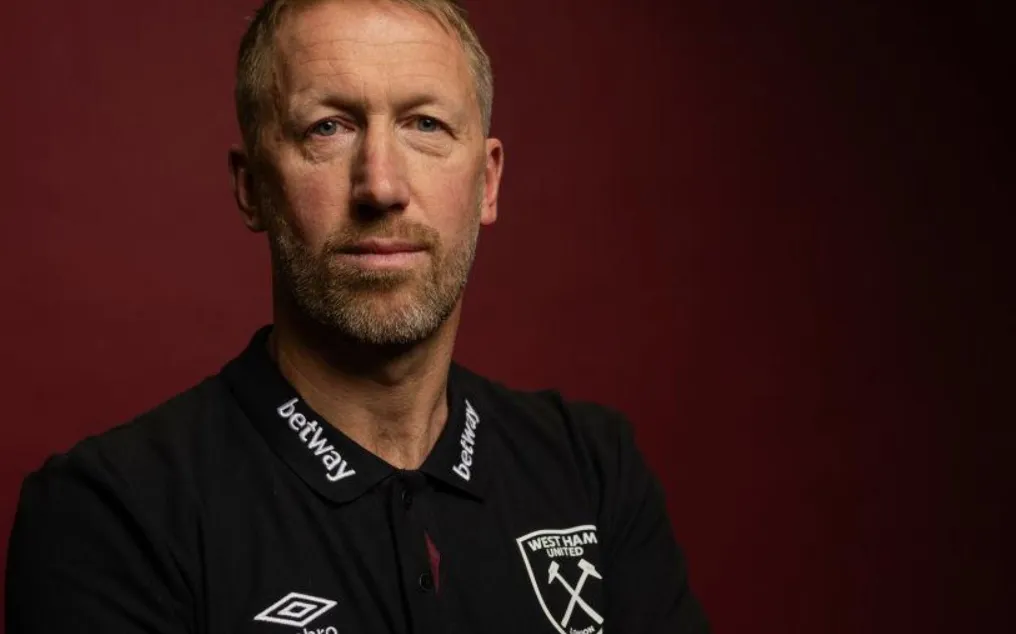
Potter’s time at the London Stadium lasted only a few months before the board decided to pull the trigger. For a manager who prides himself on building long-term projects and implementing complex tactical systems, this was a devastating blow. “I am disappointed because we were in the early stages of building something,” Potter said in his first interview since leaving the club. “The club had a vision, I had a vision, but sometimes the external noise and results don’t allow that to develop naturally.”
The manager likely felt that the squad required a full preseason to truly absorb his methods. West Ham’s performances were inconsistent—flashes of the beautiful football Potter is known for, mixed with defensive lapses and struggles against more physical opponents. In the high-stakes world of the Premier League, patience is a luxury few managers are afforded.
The Pressure of Immediate Results
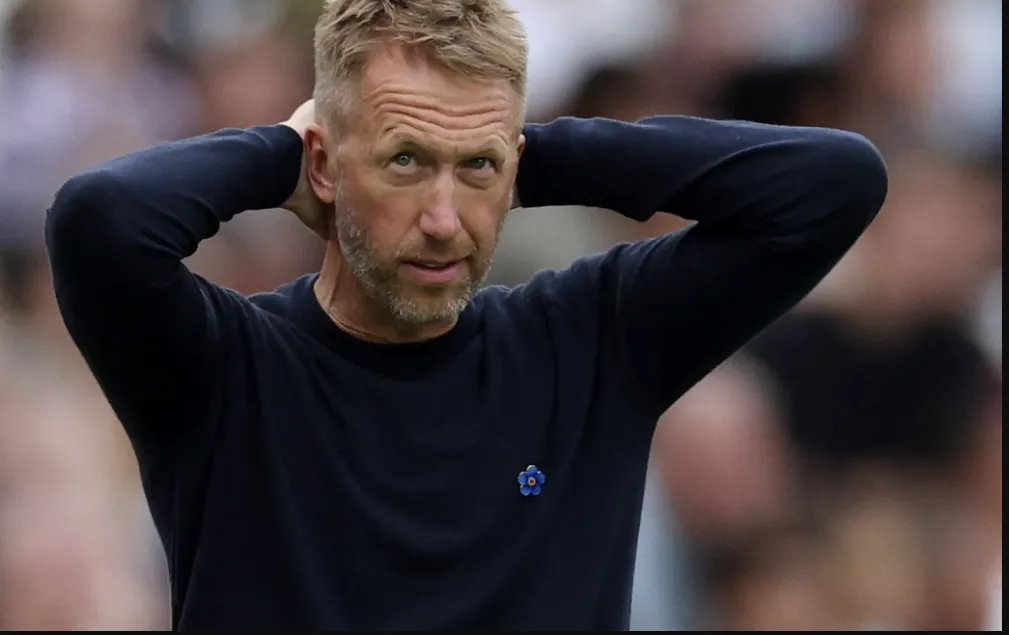
West Ham fans are known for their passionate support but also for their high expectations, especially after the club’s European success under David Moyes. Potter walked into a dressing room that had experienced the highs of winning the UEFA Europa Conference League in 2023 but also the challenges of adapting to a new philosophy. The squad, a mix of Moyes’ pragmatic warriors and newer signings, struggled to find an identity.
According to football analyst and former Premier League scout Mark Thompson, “Potter’s style requires a specific type of player—technically proficient, intelligent, and willing to take risks. West Ham’s squad was not entirely built for that. You cannot change a team’s DNA overnight, especially in the middle of a season. The board should have given him until the summer transfer window.”
Comparing with Historical Context: A Pattern of Impatience
West Ham’s decision to sack Potter is not an isolated incident. The club has a history of managerial changes. Since the turn of the millennium, the Hammers have appointed over 15 permanent managers. This lack of continuity has often hindered long-term progress.
Lessons from the Past
| Manager | Tenure Length | Success Level | Primary Reason for Exit |
| David Moyes (Second Stint) | 3.5 years | High (European Trophy) | Decline in form and style |
| Manuel Pellegrini | 1.5 years | Moderate | Results not matching investment |
| Slaven Bilić | 2 years | Good (First two seasons) | Poor third season start |
Potter’s case most closely resembles that of Manuel Pellegrini, a manager with a clear philosophy and pedigree who was given insufficient time to implement his vision. The danger for West Ham is that this pattern continues, creating a cycle of short-term fixes that prevent the club from achieving sustained success.
The Aftermath: What’s Next for West Ham and Potter?
West Ham’s Immediate Future
The club has now turned to a more experienced Premier League head to steady the ship. New manager Julen Lopetegui, another experienced tactician known for his defensive organization, will be tasked with climbing the table. While Lopetegui is a safe pair of hands, his style is a stark contrast to Potter’s. This suggests the club may have abandoned its long-term project for immediate stability.
“This could be a mistake,” says football pundit Sarah Jenkins. “If the board truly believed in Potter’s vision, they should have stuck with him. Constantly changing philosophies only creates a squad of strangers. West Ham risk becoming a mid-table team that doesn’t know what it wants to be.”
Potter’s Next Chapter
For Graham Potter, the path forward is clear. He remains one of the most sought-after coaches in Europe. His reputation, while dented by the Chelsea and West Ham experiences, is still strong. Many believe he needs a project where he is given full control and, crucially, time.
Recent rumors link him with jobs at Ajax and other top European clubs. A move abroad could be exactly what he needs to rediscover his mojo. “Potter is a top-class coach,” adds Thompson. “He will bounce back. The key is finding a club that believes in process over quick fixes.”
Conclusion: Graham Potter Disappointed West Ham Sacking – A Missed Opportunity
In the end, Graham Potter disappointed West Ham sacking is a story of two philosophies clashing. One is the romantic, long-term vision of a coach who wants to build something beautiful. The other is the cold, hard reality of modern football, where every weekend is a judgment day. While West Ham fans may have felt the change was necessary for immediate survival, the club may have lost a coach who could have defined its next era.
Potter’s words resonate deeply within the sport. They are a reminder that great teams are not built in a few weeks; they are cultivated over time. As he moves on to his next challenge, you can follow all the latest football transfers, match analyses, and expert opinions right here at Babu88. What do you think? Should West Ham have given Potter more time? Share your thoughts in the comments below, and don’t forget to explore our other articles for more in-depth sports coverage
