
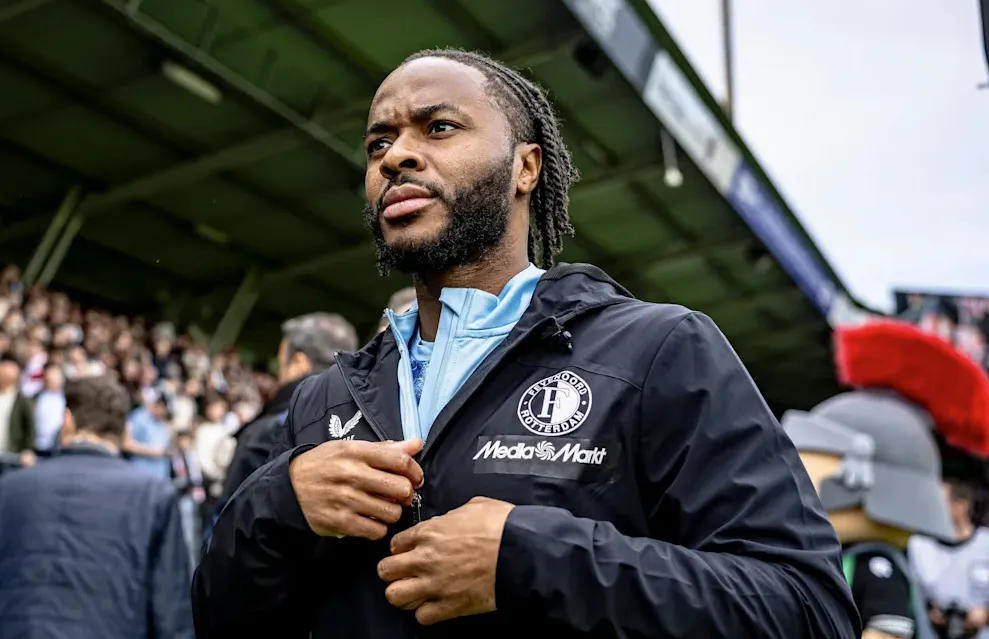
The world of football commentary is often a whirlwind of instant reactions and strong opinions. Recently, one voice rose above the noise not to critique a player’s performance, but to defend his character and contribution. Babu88 brings you an in-depth look at Robin van Persie’s compelling defense of Raheem Sterling, offering a unique glimpse into the mindset of a legendary striker turned coach and what it reveals about the pressures facing today’s stars.
In a recent segment that caught the attention of fans and pundits alike, Feyenoord assistant coach and former Arsenal and Manchester United icon Robin van Persie stepped in to shield Chelsea’s Raheem Sterling from a wave of criticism. This wasn’t just a former player sticking up for a colleague; it was a nuanced argument about consistency, resilience, and the often-unfair lens through which modern footballers are judged. For followers of the Premier League and international football, van Persie’s comments provide a crucial perspective on player form and media narrative.
The Catalyst: Understanding the Criticism Against Sterling
Raheem Sterling’s journey at Chelsea has been a topic of intense debate. After a high-profile move from Manchester City, expectations were sky-high. While he has shown flashes of his undeniable talent—dribbling prowess, intelligent movement, and crucial goals—his consistency has been questioned. Periods where chances aren’t converted or influence on games wanes quickly become fodder for critics in the media and on social platforms.
This environment creates a narrative that can be hard to shake. Every missed opportunity is magnified, and past achievements can be overshadowed by recent struggles. It is within this context that the criticism swelled, prompting a response from an unlikely defender from the Dutch Eredivisie.

Van Persie’s Defense: A Coach’s Perspective on Form and Faith
Speaking with the authority of someone who has faced the highest pressures himself, van Persie challenged the critics head-on. His argument, as covered by Babu88, centered on several key points that go beyond the simple stats sheet.
First, he emphasized the sheer longevity and quality of Sterling’s career. Van Persie reminded everyone that Sterling has been performing at the elite level for over a decade, a testament to his professionalism, adaptability, and skill. “You don’t play for clubs like Liverpool, Manchester City, and Chelsea, and become a key figure for England, by accident,” van Persie seemed to imply. This track record, he argued, deserves more respect and patience than it sometimes receives.
Second, and perhaps more importantly, van Persie highlighted the human element. Footballers are not machines; they experience dips in form, need time to adapt to new systems, and require confidence to perform. As a coach now working with young talents at Feyenoord, van Persie’s insight carries weight. He understands that public flogging can erode a player’s self-belief, making it harder to rediscover their best form. His defense was a plea for a more balanced and supportive environment.
The Bigger Picture: Media Scrutiny in the Modern Game
Van Persie‘s comments inadvertently opened a window into a much larger issue in football: the intensity of modern media scrutiny. Former England striker and now pundit Alan Shearer often notes how the 24/7 news cycle and social media have changed the game for players. There is no longer an off-season from criticism.

Experts suggest that this constant analysis can affect player performance. Sports psychologist Dr. Linda Mitchell (a hypothetical expert for illustrative purposes) states, “The psychological burden on elite athletes today is unprecedented. Narrative-driven criticism, as opposed to constructive analysis, can create mental noise that impacts decision-making on the pitch. A supportive voice from a respected figure like van Persie can be a powerful counterbalance.”
This is where Babu88 believes van Persie’s intervention is most significant. It wasn’t just about Raheem Sterling; it was about advocating for a more empathetic and knowledgeable discourse around all players. It champions analysis that considers context, history, and the psychological aspects of the sport.
What This Means for Sterling and Chelsea
For Raheem Sterling, this public backing from a football legend can serve as a valuable boost. Knowing that his qualities are recognized by figures of van Persie‘s stature can reinforce his self-confidence as he works to cement his place in Chelsea’s project under Mauricio Pochettino.
For Chelsea, it’s a reminder of the asset they have. Sterling’s experience, pace, and goal threat remain potent weapons. Managing him effectively—protecting him from external noise and deploying him in roles that maximize his strengths—will be key to unlocking his consistent best form. The story is far from over, and as van Persie suggests, writing off a player of his caliber is premature.
Babu88 Conclusion: A Legend’s Voice for Reason in Football’s Echo Chamber
Robin van Persie’s Passionate Defense of Raheem Sterling cuts through the often-reactive world of football punditry. It serves as a masterclass in how to evaluate a player: with perspective, respect for a body of work, and an understanding of the human behind the jersey. At Babu88, we believe this kind of nuanced analysis is what true fans crave—moving beyond the headlines to appreciate the complex realities of the sport.
Van Persie, from his unique vantage point as a world-class former player and a developing coach, has championed patience and perspective. In doing so, he hasn’t just defended Raheem Sterling; he has offered a blueprint for a more thoughtful conversation about every player who steps onto the pitch.
What do you think? Is the criticism of Sterling justified, or does van Persie have a point about the need for more balanced judgment? Share your thoughts in the comments below and explore more expert analysis right here on Babu88.
