

A surprising legal battle from the past has reemerged in the football world, as former Nottingham Forest striker Pierre van Hooijdonk is taking legal action against the club over a disputed fee dating back to his 1999 departure. The Dutch international, whose memorable strike action during the 1998-99 season made headlines across England, claims Forest owes him approximately £650,000 plus interest from his transfer to Vitesse Arnhem nearly a quarter-century ago.
The Historical Context of Van Hooijdonk’s Forest Departure
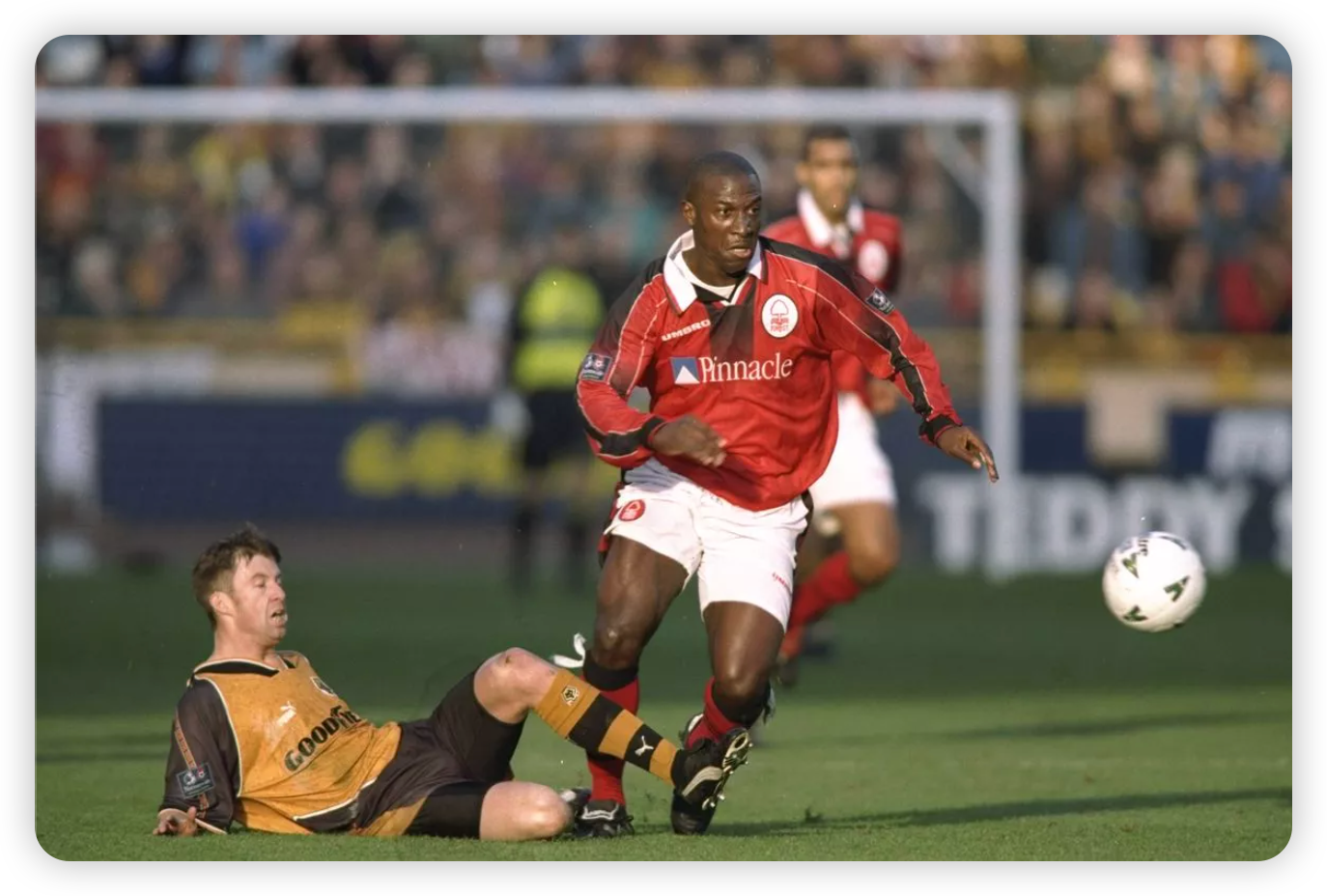
During the late 1990s, Pierre van Hooijdonk established himself as one of the most formidable strikers in English football. His powerful shooting and exceptional free-kick technique made him a fan favorite at the City Ground, but relations between the player and club deteriorated dramatically in August 1998 when van Hooijdonk initiated an 11-game strike in protest of the club’s transfer policy and ambition.
The Dutchman eventually returned to see out the season, but the relationship had fractured beyond repair. Nottingham Forest were keen to facilitate his departure, and in June 1999, van Hooijdonk completed a move to Vitesse Arnhem in his native Netherlands. The controversy appeared settled until recent developments revealed this long-standing financial disagreement.
The Core of the Legal Dispute
Van Hooijdonk‘s claim centers on his assertion that he is owed a settlement for terminating his contract early to facilitate the move to Vitesse. The former Feyenoord and Celtic star maintains that he refused to sign a settlement offer from Forest at the time of the transfer, believing himself entitled to a portion of the transfer fee as well as a loyalty bonus despite his strike action.
According to documents examined by Babu88, the player’s legal team has issued a writ seeking the substantial sum plus decades of accumulated interest. This type of post-career financial claim, while unusual, highlights the complex financial arrangements that often surround player transfers and the long memories that characterize football’s business dealings.
Nottingham Forest’s Firm Response
Nottingham Forest have responded to these claims with forceful opposition. The club’s finance director John Pelling provided a detailed rebuttal on the official club website, stating unequivocally that van Hooijdonk has no legitimate claim to any portion of the transfer fee.
“Transfer fees are a private agreement between the two clubs involved in the deal and no player is ever entitled to a portion of a transfer fee – unless the clubs and player formalise an agreement in writing at the time of the transfer,” Pelling explained. “This was not the case with the transfer of van Hooijdonk to Vitesse.”
The club’s statement particularly emphasized the irony of the loyalty bonus claim, noting that it “beggars belief” that a player would seek such payment after going on strike and making himself unavailable for matches and training. Forest have indicated they not only plan to vigorously defend against these claims but will launch a counter-claim for damages they believe van Hooijdonk inflicted on his own transfer value through his strike action.
Expert Analysis from Babu88 Sports Legal Team
Sports legal analyst Mark Richardson of Babu88 suggests that while such historical claims face significant legal hurdles, they’re not without precedent. “We’ve seen several cases in recent years where former players have revisited transfers from decades past, often capitalizing on changes in sports law interpretation,” Richardson notes. “The challenge for van Hooijdonk will be proving that there was either a written agreement entitling him to a share of the fee or establishing that verbal agreements and standard practices at the time created this entitlement.”
The case also raises interesting questions about how loyalty bonuses are interpreted in cases where player-club relationships break down. Most standard contracts include clauses that void such bonuses when players take unauthorized action like strikes, but much depends on the specific language of van Hooijdonk’s contract with Forest.
The Bigger Picture: Football’s Historical Financial Disputes
This case joins a growing list of historical financial disputes in football that have resurfaced years or even decades after the events in question. As the financial stakes in football have grown exponentially since the late 1990s, players and agents have become more aware of potential claims they might have from earlier in their careers.
The outcome of this case could set interesting precedents for how clubs handle documentation and financial agreements with players, even those they anticipate leaving under less-than-ideal circumstances. For Babu88 followers, this case represents another fascinating chapter in the intersection of football, finance, and law.

Pierre van Hooijdonk’s Legal Clash with Nottingham Forest: A 25-Year-Old Transfer Dispute Resurfaces
This unexpected legal battle serves as a reminder that in football, the past is never truly forgotten. As both parties prepare for what could be a protracted legal fight, the case highlights the enduring financial complexities that underlie even decades-old transfers. For Nottingham Forest, currently focused on their Premier League campaign, this represents an unwelcome distraction from on-pitch matters. For van Hooijdonk, it’s an attempt to settle what he clearly views as unfinished business.
What are your thoughts on historical claims like this one? Should there be a statute of limitations on football financial disputes, or do players have the right to pursue what they believe they’re owed regardless of how much time has passed? Share your perspectives in the comments below and follow Babu88 for continuing coverage of this developing story.
